

Roadworthy Certificate in Thomastown – Melbourne Auto Tech
If you need a roadworthy certificate (RWC) in Thomastown, Melbourne Auto Tech provides professional inspections to ensure your vehicle meets VicRoads safety standards. Our licensed mechanics inspect key safety components and issue an RWC once your vehicle meets the required conditions. Whether you are selling a vehicle, transferring registration, or re-registering a car, we make the process simple and efficient.
What Is a Roadworthy Certificate?
A car roadworthy certificate, also known as a Certificate of Roadworthiness, is an official document issued after a vehicle passes a safety inspection. In Victoria, a roadworthy certificate is commonly required when selling a vehicle, transferring ownership, or re-registering a car. It confirms that the vehicle meets the minimum safety standards required for public road use.


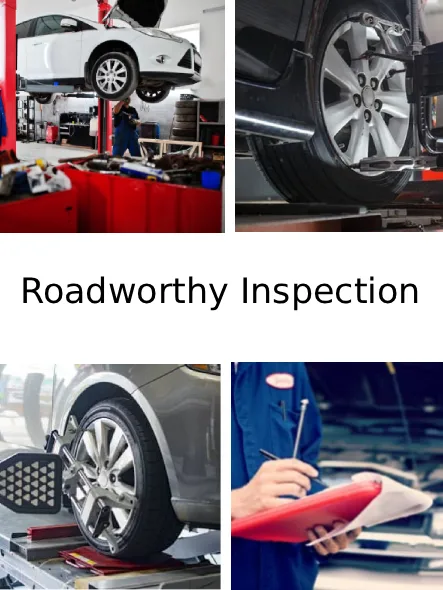
What Is Checked During a Roadworthy Inspection?
A roadworthy inspection checks important components of your vehicle to ensure it meets the required standards for road use in Victoria. The inspection focuses on key systems that affect vehicle safety rather than the overall mechanical condition. Mechanics typically check:
Wheels and tyres: Tread depth, tyre condition, and wheel security
Braking system: Brake performance and overall brake condition
Steering and suspension: Wear, damage, and proper operation
Lights and electrical systems: Headlights, indicators, brake lights, and other safety lights
Windscreen and windows: Visibility, cracks, wipers, and washer operation
Seatbelts and seats: Proper operation and secure mounting
Vehicle structure: Body condition, rust, and structural safety
Once the vehicle passes these safety checks, a car roadworthy certificate can be issued.
What Is Not Included in a Roadworthy Inspection?
A roadworthy inspection focuses only on safety-related components. It does not assess engine reliability, air conditioning, cosmetic condition, or general mechanical wear.

How Long Does a Roadworthy Certificate Last in Victoria?
A car roadworthy certificate issued by a licensed vehicle tester is generally valid for 30 days from the date of issue. This means the registration transfer or sale must be completed within that time period. Because the validity period is limited, many vehicle owners book the inspection near the intended sale or transfer date.
Trusted Roadworthy Certificate in Thomastown
Melbourne Auto Tech is a trusted automotive workshop providing professional roadworthy certificates in Thomastown and the surrounding suburbs, including Bundoora, Mill Park, and Melbourne’s northern suburbs. Our experienced team understands local requirements and performs accurate inspections. This ensures your vehicle meets Victorian safety standards. Additionally, we work with all vehicle makes and models, completing every inspection professionally and efficiently.

Why Choose Melbourne Auto Tech for Your Roadworthy Inspection?
Our goal is to make getting a roadworthy certificate simple and transparent for every customer. Drivers choose our workshop for inspections because we offer:
Licensed and experienced mechanics
Fast and reliable inspection process
Clear explanations and honest advice
Affordable pricing with no hidden surprises
Convenient Thomastown location
Inspections for all vehicle types
FAQs
A roadworthy inspection usually takes 30 to 60 minutes, depending on the vehicle’s condition and inspection requirements.
A roadworthy certificate is required when selling a vehicle, transferring registration to a new owner, re-registering an unregistered vehicle, or clearing certain defect notices.
A car can be sold without a roadworthy certificate if it is unregistered or the registration has been cancelled. The buyer will then need to obtain a roadworthy certificate before registering the vehicle.
Yes, you can sell a car without a roadworthy certificate if it is unregistered or has a cancelled registration. Otherwise, a valid roadworthy certificate is usually required when selling a registered vehicle.
If your vehicle fails the roadworthy inspection, you will receive a rejection report listing the defects. You’ll be given 14 days to repair the issues and return for a re-inspection; otherwise, a full inspection will be required again.